

News
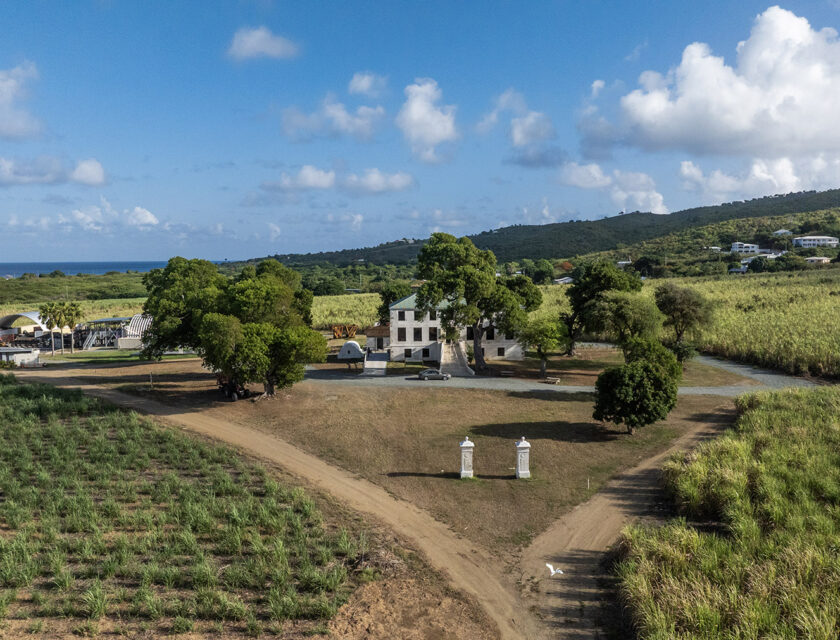
Gin is celebrated for its crisp, aromatic flavor, but few think about the journey it takes from the fields to the glass. At the heart of two extraordinary Prosperity Farm gins is sugar cane, a plant known for its sweetness and versatility. [These gins – Tropical and Sorrel — carry flavor profiles not found in gins found in most North American liquor shops. – mention how different, if possible.] Here’s a look at how sugar cane is transformed at Prosperity Farm into the spirited gin we enjoy today.
1. Harvesting the Cane
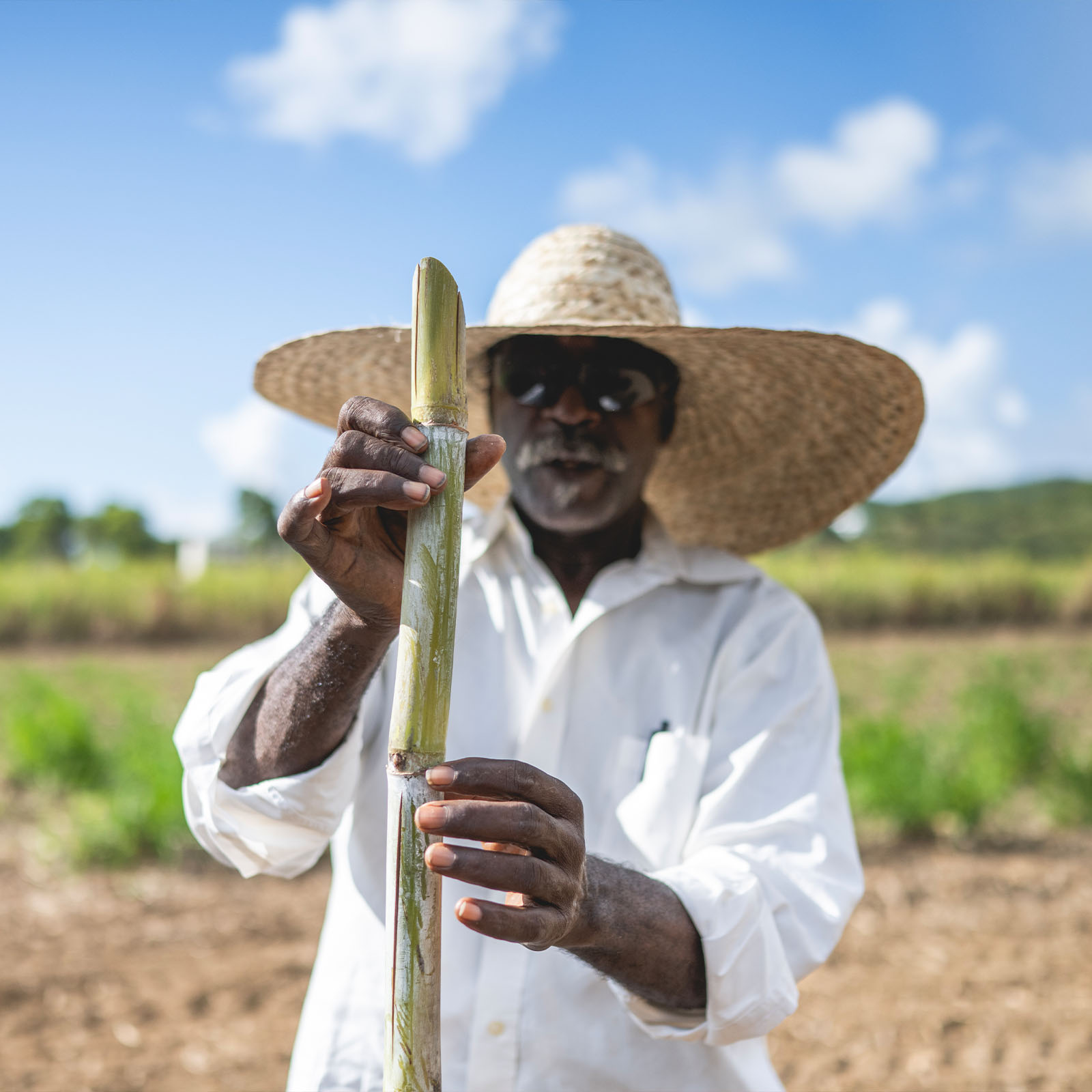
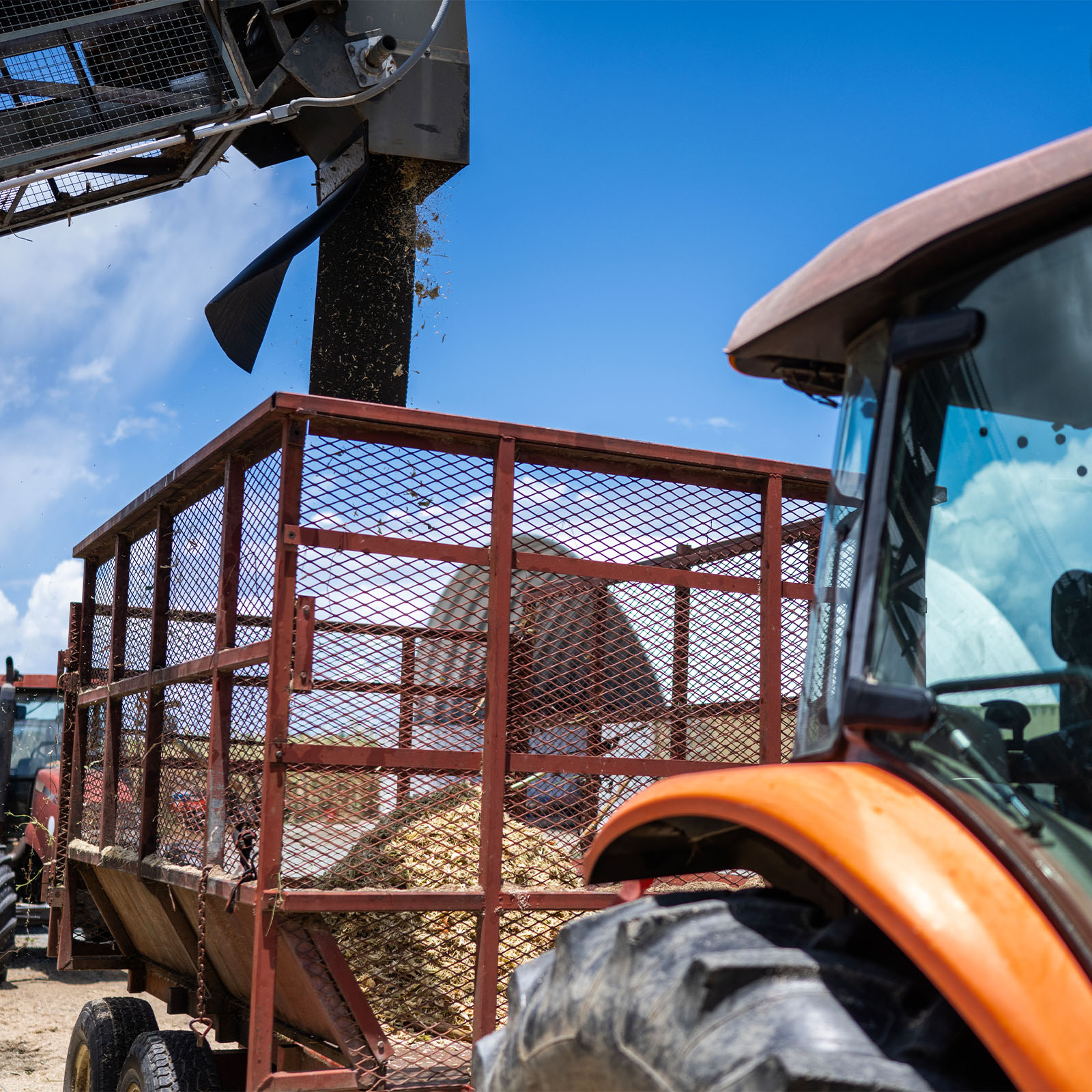
The journey begins in lush sugar cane fields. The cane is carefully harvested when its sugar content is at its peak. This typically involves cutting the stalks close to the ground, where the sweetest juices are concentrated. Sugar cane leaves (which don’t contain any sugar) are shearedoff from the stalks and spread around the plants to provide a soft mulch, to encourage next year’s crop to re-grow (what we call ratoon).
2. Extracting the Juice
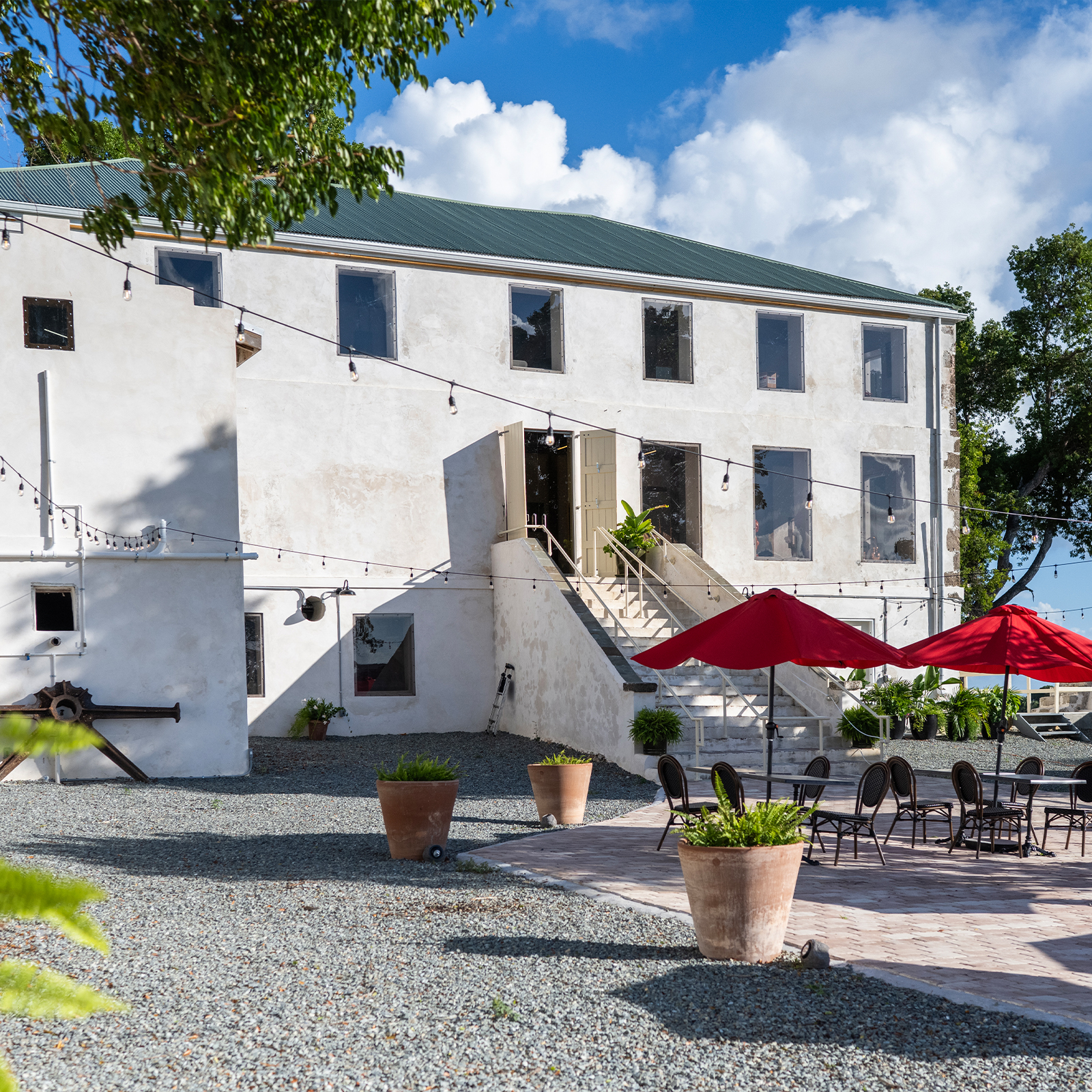
Once harvested, the cane is crushed in the Prosperity Farm sugar mill, to extract its juice. This sweet liquid is the foundation of the spirit. The juice is filtered to remove plant fibers, leaving asugary liquid ready for fermentation.
3. Fermentation
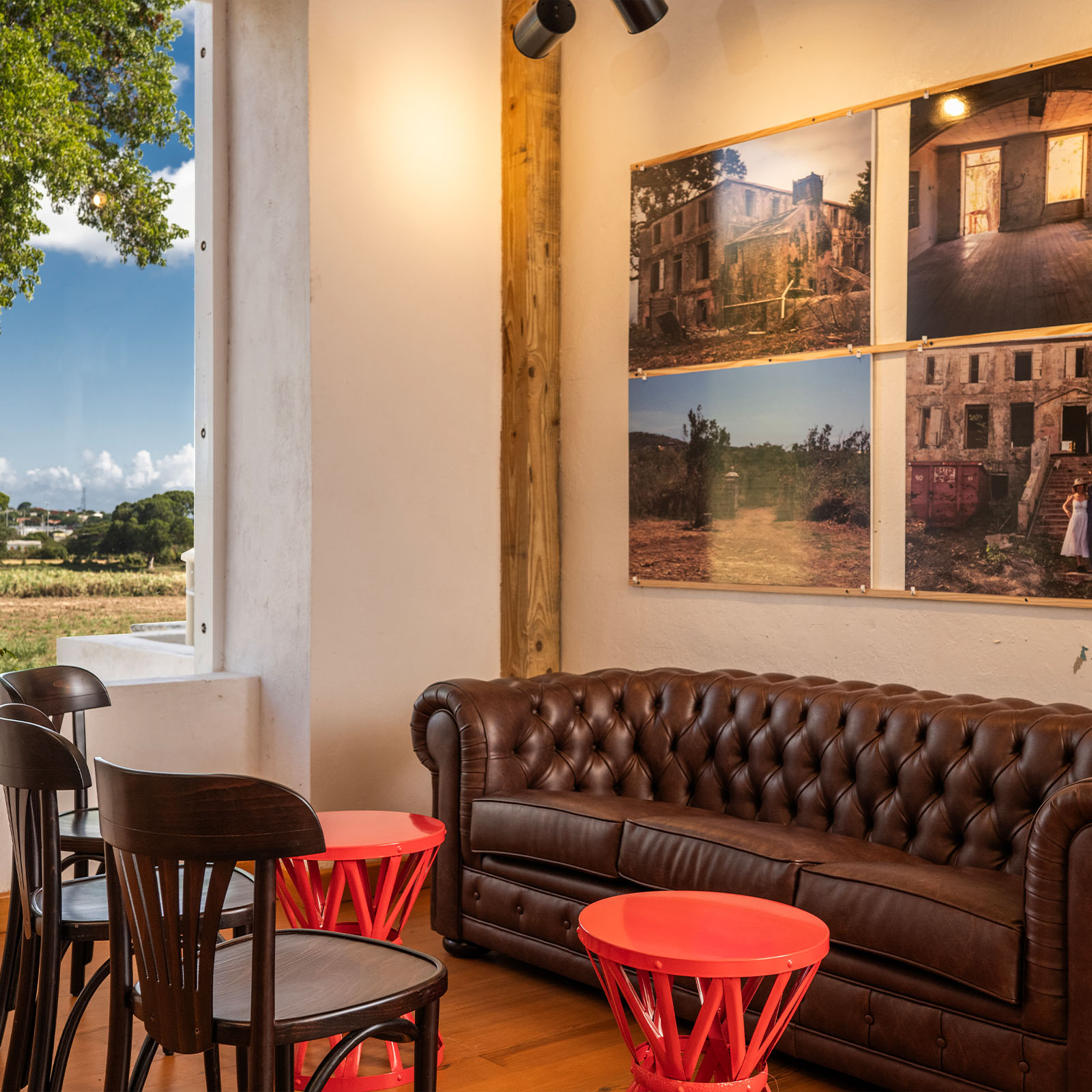
The extracted juice is then fermented in 500-gallon square tanks where yeast is added to convert the natural sugars into alcohol. Over the course of a two-day fermentation period, this stageproduces a sugar cane “wash,” a low alcohol “beer” that carries the essence of the cane. At Prosperity Farm visitors have the opportunity to sample the cane juice as it ferments from juice to beer.
4. First Distillation
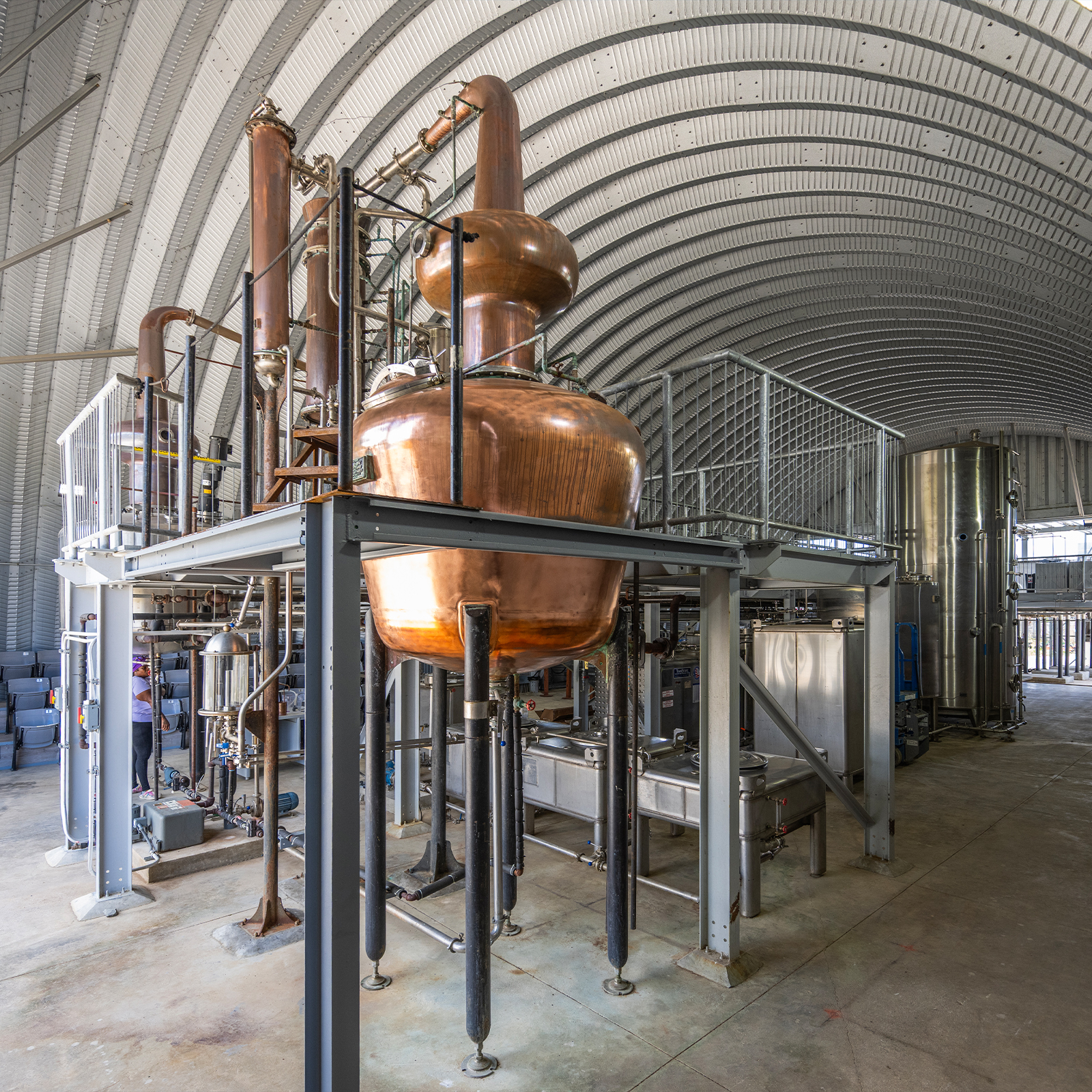
After two days of fermentation (three days after the cane harvest) the wash is distilled for the first time in a beautiful 500-gallon copper pot still, to concentrate the alcohol and purify the flavors. Distillation separates the alcohol from water and other components, leaving a clear, spiritwith subtle flavors.
5. Botanicals add flavors in a second distillation
What makes Prosperity Farm gin unique are the botanicals added during a second distillation. This distillation is done in a 375-gallon copper pot with a gin basket through which alcohol vapors pass over the course of a 4-hour “gin-run”. Juniper berries are placed in the gin basket, giving the gin its signature pine-like aroma. Other botanicals such as citrus peel, coriander, or exotic spices are infused, through vapor infusion or maceration, creating complex flavors that define each gin.
6. Proofing and Bottling
Finally, the distilled gin is diluted to the desired strength with pure water. At Prosperity Farm,the result are two gins (Sorel and Tropical) which tell the story of sugar cane, from tropical fields to the cocktail glass.
Enjoying the Craft
The next time you sip a gin and tonic, consider the journey it has taken—from sweet cane in the field to the aromatic botanicals in your glass. Understanding this process not only deepens appreciation for gin but also highlights the skill and tradition behind every bottle.